
AI is a fact in the life of every worker, and increasingly, every student. Is AI the new calculator, once banned from the classroom, now an essential school supply? The rise of AI in our world gives us educators the remarkable opportunity to make sweeping changes to how students are taught. If we assume AI, we can spend our energies developing modules that put learners in the types of strategies that work, develop their Human skills, and AI literacy at the same time; an essential skill for their working lives.
Fiona Passantino, AI Leadership
The Death of Math
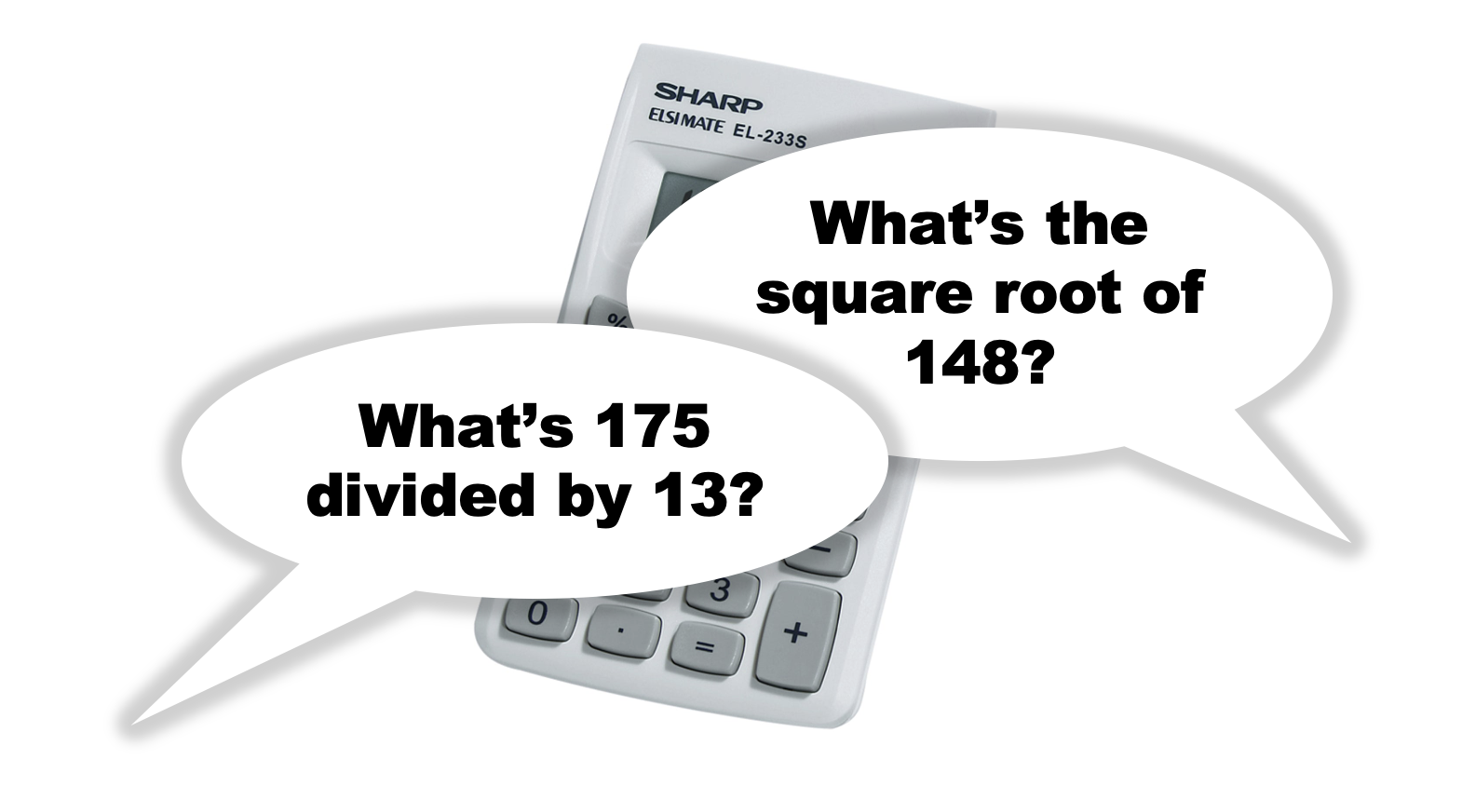
Remember the calculator?
When I was in math class about a million years ago, I wasn’t allowed to use one. Memorizing times tables, doing long division. Sad day for me, since I was terrible at math. And learning anything by heart, let alone abstract numbers that didn’t mean anything to me or my life, felt impossible.
“You will not always have a calculator in your pocket. You will need to be able to add and subtract in your head,” was what my teacher – and just about every other educator – used to tell me.
I have no idea, but if I need to know, I’d use one of my many device-based options to find the answer. Right there, right now, and unlike my feeble Human brain, my electronics would always be right. And, yes, always with me.
The other reason we taught kids years and years of math based on rote memorization was that somehow learning about abstract numbers and charts in a kind of practicality vacuum would unlock some region of the brain that formed abstract reasoning that we couldn’t live without. Without math, entire regions of our pink, fluffy growing brains would waste away and atrophy, the lights would go out on one of our hemispheres, leaving just one to compensate, like the removal of a kidney.
Similar arguments were made in the defense of spelling, memorization of historical facts, the dates of a particular war, or reign of a king, the capitals of every country in the world… all the information we can easily find today.
Calculators and cheat sheets were banned in my classroom. High school was hell, as it is for most Humans. But I was comforted by the idea that my kids would never have to learn this stuff; surely 25 years into the future, as we stepped into our flying cars to bring our kids to school, we would be learning with robot teachers and eating energy pellets for lunch… no one would be learning by memorization!
Sadly, we are still teaching the same way, banning AI now, instead of calculators.
Did math end once calculators were let into the room? No. Teachers and educators began to shift their focus. Education became more about understanding and reasoning than the execution of mechanical steps. Math evolved, and Humans moved up a level. Calculators became a mandatory school supply, alongside the pencils and protractors. Students started getting assessed when they could explain why a method works, how to choose the right approach, and how to check if an answer makes sense.
The Learning Pyramid
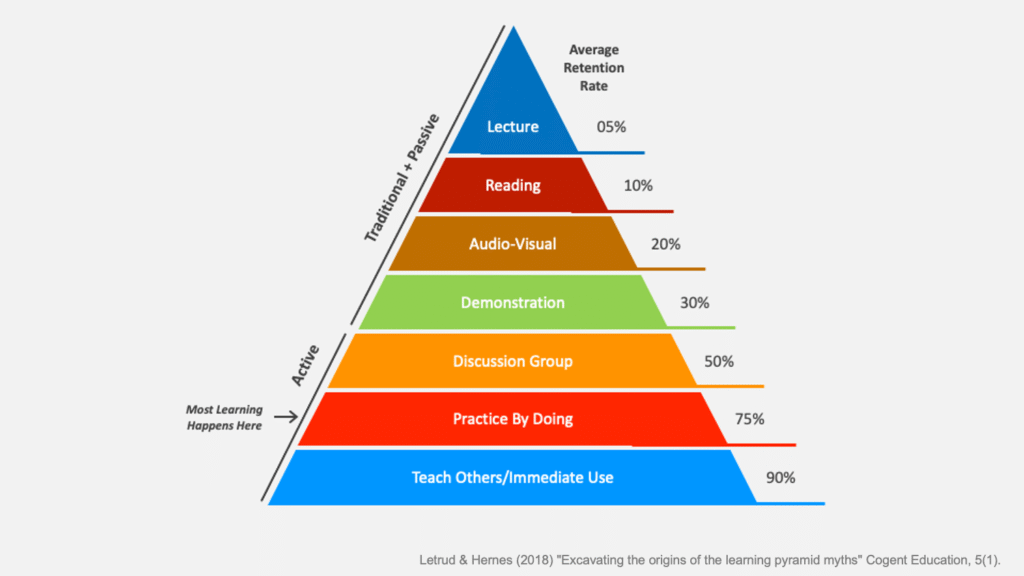
Many of us educators are familiar with the “learning pyramid”; a visual depicting the hierarchy of learning methods. At the tip-top with the tiniest base are lectures, passive listening, reading, memorizing, hoping it sticks. Students remember about 10% of what they learn. When one accounts for the passage of time and the urgency of this semester’s lectures, the actual retained information is closer to 1%.[i]
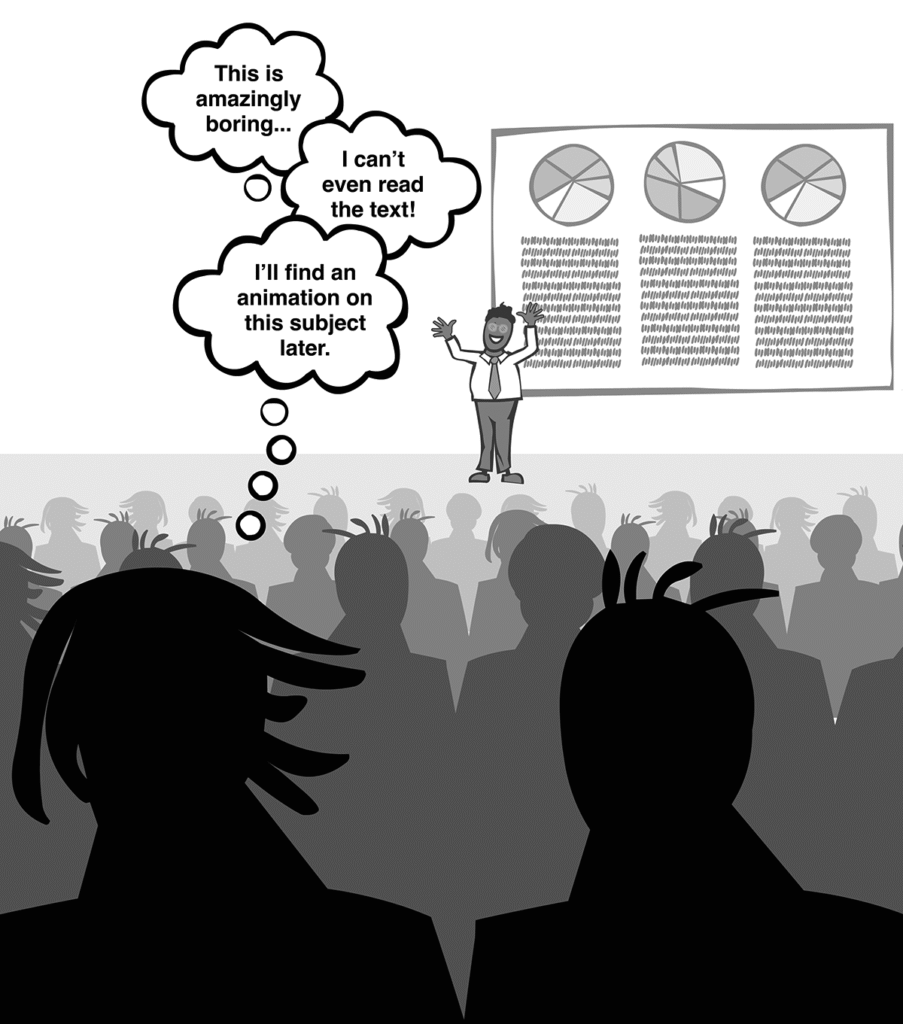
But oddly, the tip of the learning pyramid still describes how most schools operate today; our system keeps students trapped in the weakest form of learning.
Down at the wide base is where students learn and retain the most information; this is when they teach each other. Here, we have a 90% retention ratethat also holds up better over time.This is where we educators want our students to spend most of their time.Learning by doing, experimenting, explaining to others, teaching instead of being taught.
With or without AI, this is where their minds expand and connect with the subject.
Assuming AI
Now we are deep in this Age of AI; Humans are about to level up once again thanks to a massive leap forward in our technology, and our evolution. AI is with us everywhere: our devices, our watches, our phones and our cars. Anything digital will soon be driven by this technology. We can strip our kids down and remove all electronics from their person before they enter a classroom, but try doing this at home, at the cafes and libraries where they study, at their friends’ houses where they write their papers and cram for their exams.
It is already impossible to banish this technology from a student’s life. The AI detection tools teachers have leaned on to rat out use of this technology are notoriously fallible, and thanks to corporate CYA mindsets, flag far more false positives and punish too many innocent students who wrote their pieces by hand. And as AI evolves, and students build and train agents to write like them, it will soon be impossible to rely on any detection techniques in the future.
We educators have this incredible opportunity to redesign the system. We have the chance to flip the pyramid once and for all, place our students on the right side of the pyramid. What if we redesign our modules assuming AI use? Focus on the processes that really matter?
AI Literacy
While this drama unfolds in the classrooms, a storm is gathering in the world that awaits our young people. The working world needs Humans with AI literacy. And also core, complementary Human skills. We need critical thinkers, effective communicators, creative and resilient problem solvers and professionals with grit, determination and purpose. We need our students to be on fire about a subject and step into their world with the tools to succeed and shape the future we’re all living in.
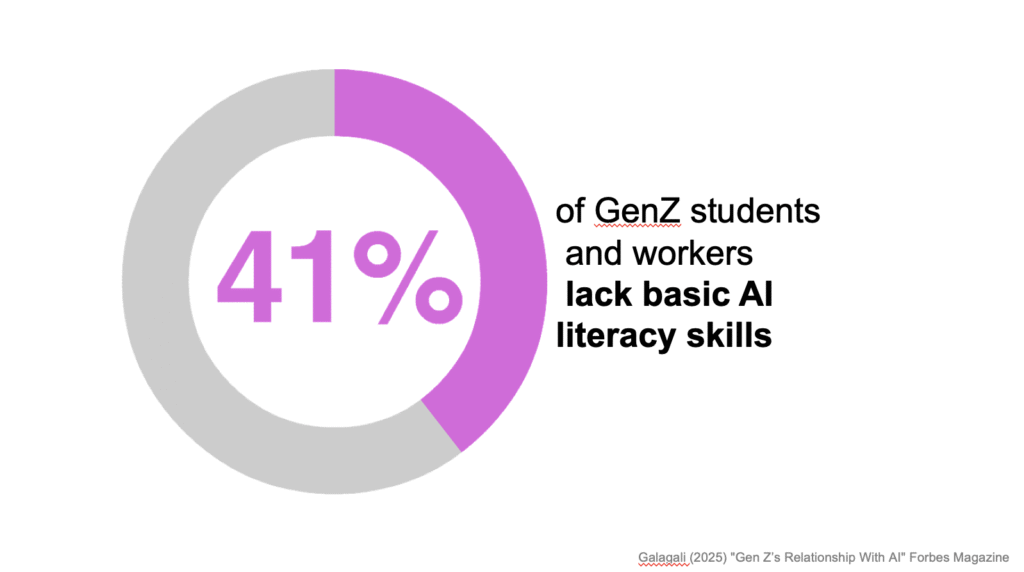
At the moment, 47% of GenZ actively use generative AI, for both work and school.[ii] Yet 41% feel anxious about their readiness for the world, specifically their lack of AI skills. They see that 81% of hiring managers feel that AI literacy skills are essential for nearly every applicant.[iii]
Possibly because at school they are told that “using AI is cheating”, that if AI is detected in their work, they will be punished. They leave school not only without skills but with a fear and disdain for AI that was given to them by the system.
Our students will have to compete for a dwindling number of entry-level jobs. And, thanks to a fully mobile and hybrid workforce, they will also have to compete with every other young person in the world. China is making AI literacy mandatory in every primary school in the country; every school in the country, even those in remote villages.[iv]
The World Economic Forum is calling for an urgent focus on AI literacy in schools. They define the following program that blends AI and Human competencies.[v]
Engaging with AI: Understanding when and how AI is present in everyday tools and critically evaluating its outputs.
Creating with AI: Collaborating with AI tools to support problem-solving and creativity, while considering ethical implications like ownership and bias.
Managing AI’s actions: Delegating tasks to AI responsibly, setting guidelines and ensuring human oversight.
Designing AI solutions: Exploring how AI works and how to build or adapt systems to solve real-world problems.
(It’s also mandated)
We also have to, by law.Article 4 of the EU AI Act, which determines that those deploying AI systems must ensure users – including students and educators – have a sufficient level of AI literacy.[vi]
Over a billion people, around 10% of the world’s population, is currently using AI, the fastest adopted tool in modern history.[vii]
The Future.
The year is 2045. We’re in a classroom. A teacher stands in front of 25 students. On every desk sits a device smarter than any Human in the room. But none of the children are using it to cheat.
They are using it to test ideas, challenge assumptions, question biases, and explore paths they didn’t even know existed. They can’t cheat because they will be the one teaching the next unit. They will be graded not only on how well they can communicate this information, but by how they answer the questions posed by their peers.
They will be asked to come up with interactive exercises, multimedia support and examples, quizzes and facilitate classroom debates on the subject. Their peers will also be graded on the quality of the questions they asked, and their participation in the session.
AI can help with the mechanics. It can take on rote tasks, information and execution. But not values, judgment or cultural context, we need critical thinking, design thinking and deep analysis. Emotional intelligence, the ability to communicate and advocate for a cause.
Banning AI at school is convenient for us, the educators. We don’t have to redesign the educational system from the ground up. Because doing that is a lot of work! It’s a lot easier to pretend that the world “out there” is the same as it was in 1975.
What an opportunity we have now, to get this right.
Need help with AI Integration?
Reach out to me for advice – I have a few nice tricks up my sleeve to help guide you on your way, as well as a few “insiders’ links” I can share to get you that free trial version you need to get started.

No eyeballs to read or watch? Just listen.
Working Humans is a bi-monthly podcast focusing on the AI and Human connection at work. Available on Apple and Spotify.

About Fiona Passantino
Fiona helps empower working Humans with AI integration, leadership and communication. Maximizing connection, engagement and creativity for more joy and inspiration into the workplace. A passionate keynote speaker, trainer, facilitator and coach, she is a prolific content producer, host of the podcast “Working Humans” and award-winning author of the “Comic Books for Executives” series. Her latest book is “The AI-Powered Professional”.
[i] Letrud & Hernes (2018) “Excavating the origins of the learning pyramid myths” Cogent Education, 5(1). https://doi.org/10.1080/2331186X.2018.1518638
[ii] Galagali (2025) “Gen Z’s Relationship With AI” Forbes Magazine https://www.forbes.com/sites/tarungalagali/2025/08/25/ais-impact-on-generation-z/
[iii] Ryan (2025) “The No. 1 Skill Employers Want In 2025 And Most Job Seekers Don’t List It” Forbes Magazine https://www.forbes.com/sites/robinryan/2025/07/30/the-no-1-skill-employers-want-in-2025-and-most-job-seekers-dont-list-it/
[iv] GemReport (2025) “China is embracing AI in education. How are principals coping?” UNESCO https://www.weforum.org/stories/2025/05/why-ai-literacy-is-now-a-core-competency-in-education/
[v] GemReport (2025) “China is embracing AI in education. How are principals coping?” UNESCO https://www.weforum.org/stories/2025/05/why-ai-literacy-is-now-a-core-competency-in-education/
[vi] Milberg (2025) “Why AI literacy is now a core competency in education” World Economic Forum https://www.weforum.org/stories/2025/05/why-ai-literacy-is-now-a-core-competency-in-education/
[vii] Kemp (2025) “Digital 2026: more than 1 billion people use AI” Data Reportal https://datareportal.com/reports/digital-2026-one-billion-people-using-ai